Pondicherry White Town Itinerary: 6-Day Plan for Explorers

This six-day Pondicherry White Town itinerary keeps heritage central while leaving room to wander, pause and move through the town without a fixed sightseeing checklist.

Pondicherry, officially part of the Union Territory of Puducherry, sits on the Coromandel Coast alongside Tamil Nadu. The historic town is commonly called Pondicherry, while Puducherry refers to both the Union Territory and its principal city, keeping both names in everyday use.
The town operates through contrasts. Broad avenues open towards the Bay of Bengal, while quieter residential streets narrow the pace inland. French-influenced buildings sit alongside Tamil homes, cafés, shops and working neighbourhoods, keeping the historic fabric connected to present-day life.

Pondicherry’s compact geography can make planning appear simple. Distances remain short, yet moving through the town without regard to heat, light, neighbourhood character and the changing rhythm of its streets can turn a walkable destination into a sequence of hurried stops.
A conventional itinerary often treats the historic quarters as a collection of landmarks. It moves from one point to another, fills the cooler hours with too many visits and leaves little space to notice the streets between them. The town remains visible, but its character becomes harder to read.

This itinerary takes a different approach. It treats movement itself as part of the experience, giving the historic quarters enough time and space to reveal their architecture, transitions and everyday rhythms rather than reducing them to a checklist.
At a Glance: Pondicherry White Town Itinerary
This plan unfolds across six days and five nights, shaped by the direct rail journey from Hyderabad and the unhurried rhythm of moving through Pondicherry’s historic quarters.
The structure leaves open space across the day. It gives the journey time to settle after arrival and keeps each part of the historic town free from rushed movement between stops.
Days follow connected areas rather than individual attractions. This limits unnecessary transfers and lets architecture, neighbourhoods and the waterfront form a continuous experience.

Coastal heat and strong midday light narrow the usable outdoor window. Early mornings and late afternoons provide better conditions for walking, photography and observing the streets at their changing pace.
The middle of the day therefore becomes part of the itinerary rather than unused time. Indoor pauses create a natural break between walking periods, keeping the day open without turning every hour into scheduled activity.
Each part of the itinerary works towards a clear outcome. It reduces travel friction, creates room for attention, and lets Pondicherry’s living heritage emerge through walking rather than constant checking off.

Why This Itinerary Differs From Most Online Pondicherry Itineraries
Three Environments: The plan connects the French Quarter, Tamil Quarter and seaside promenade as distinct settings, with each bringing a different rhythm to the experience.
Geographic Containment: Each walking phase stays within a defined area, cutting repeated crossings and leaving more time between principal stops.
Heritage Base: Accommodation near the White Town and Tamil Quarter boundary places contrasting architectural traditions within easy reach while keeping the base central to the plan.
Digital Distance: The itinerary leaves room to step away from screens and routine, allowing unstructured observation to become part of how the town is experienced.
Living Heritage: Streets, facades, verandas and transitions between quarters become part of the experience instead of background to landmark visits.
Departure Alignment: The final morning fits the return train, so checkout leads directly into the onward journey without a long unplanned gap.

The trip cost comes next so you understand the financial outline before entering the day-wise plan.
Pondicherry White Town Trip Cost Breakdown
This Pondicherry itinerary keeps costs simple through direct rail travel, central heritage lodging, and walking-led movement within the historic quarters. Limited local transfers reduce dependence on daily vehicle hire.
The cost model reflects these choices. Rail travel fixes the main transport expense, while walking and self-guided circuits keep variable spending under control throughout the stay.
The figures below represent the baseline outlay under these conditions. They show the expected spending range and provide room to adjust individual choices without disrupting the itinerary’s overall structure.
What Each Cost Pillar Includes

Pondicherry White Town Itinerary Overview
This itinerary follows a coastal route shaped by direct rail access, connected historic quarters, and walking circuits that link the waterfront with the town’s inner streets.
Each day balances outdoor exploration with protected midday hours. Morning and late-afternoon movement uses better light and lower heat, while the middle of the day holds space for rest and indoor time.
The plan groups movement by connected areas rather than individual attractions. This limits repeated crossings, keeps local transfers purposeful, and lets each walking circuit develop without unnecessary transit between stops.
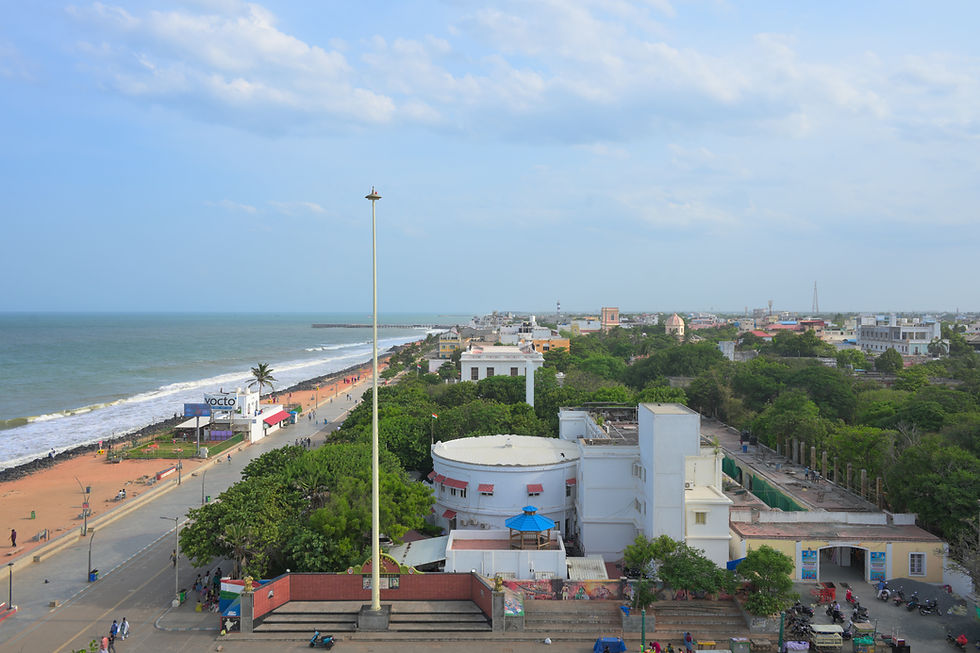
Critical Planning & Booking Note
A smooth Pondicherry itinerary starts with a few decisions made before arrival. Train timings, lodging location, and the daily walking window shape how comfortably the days unfold.
Rail Reservation: Book through IRCTC within the 60-day advance reservation window to secure confirmed berths.
Stay Location: Choose lodging within easy walking reach of White Town and the Tamil Quarter to reduce daily transfers.
Walking Window: Keep outdoor circuits to early morning and late afternoon, leaving midday free for indoor rest.
The Definitive Cost Breakdown: Pondicherry White Town Itinerary
This section consolidates all major expense components, including safari permits, accommodation, meals, transport, and local transfers, to present a realistic cost estimate for the Pondicherry trip.
Reviewing this outlay upfront sets clear expectations and allows the family to assess the feasibility, comfort level, and budget control before moving into the day-wise itinerary.
Day-by-Day Pondicherry White Town Itinerary
This itinerary connects Hyderabad to Pondicherry through a direct overnight rail journey, followed by a short station transfer to centrally located lodging. This keeps arrival simple and places the historic quarters within walking distance.
Daily schedules follow the coastal climate and changing light. Morning walks take advantage of cooler conditions, while midday offers a protected pause before late-afternoon exploration resumes across the historic quarters.

A relaxed arrival day allows the journey to settle before the main walking circuits begin. The following days move through the northern, southern and western areas of the town, before a straightforward rail departure closes the itinerary.
The route relies on observation rather than constant movement. Keeping each day within connected areas reduces unnecessary transfers and leaves enough time to experience architecture, neighbourhoods and the waterfront at an unhurried pace.
Day 1: Overnight Rail Journey to Pondicherry
The trip to Pondicherry begins at Kacheguda Railway Station (KCG), Hyderabad, with train 17653 Kacheguda–Puducherry Express departing at 17:00 on Wednesday in AC 3-Tier. This evening departure begins the overnight journey to Puducherry.
Once aboard, settle into the berth as the train moves out of Hyderabad. The evening remains free for dinner and sleep, with no scheduled activity after departure.

The overnight run keeps the first day focused on the long-distance transfer. By morning, the train has covered most of the distance while the group gets a full night’s sleep on board.
The first day closes on board, with the train continuing towards Puducherry through the night. Arrival, transfer and the first walk remain part of the following day’s sequence.
Practical Notes
Station Access: Reach KCG by 16:30 as several trains depart during the evening peak.
Breakfast Booking: Reserve Thursday breakfast at Chennai Egmore before boarding.
Food Delivery: Use IRCTC e-Catering or a suitable food-delivery app for the order.
Berth Check: Confirm your coach and berth before entering the station.
Experience Basis
Wednesday Departure: The timing fits three nights in Pondicherry with a Sunday return.
Rail Continuity: Direct rail avoids the additional airport transfer chain between Hyderabad and Pondicherry.
Overnight Movement: Sleeping during transit preserves daytime hours for exploration.
Seasonal Window: July–September avoids the main October–December northeast monsoon period, while mid-January to February offers a second quieter-season option.
Day 2: Arrival and White Town
The train reaches Puducherry Railway Station at 11:05 on Thursday after the overnight run from Hyderabad. Theja Residency, near the White Town and Tamil Quarter boundary is about a 5-minute auto ride from the station.
After settling in, have lunch and stay indoors between 11:30 and 15:30 to avoid the strongest coastal heat and midday glare. This break also allows you to recover from the overnight rail journey before heading out again.
The Northern Heritage Circuit begins around 16:00. This walking route brings together White Town’s civic and institutional landmarks, using broad avenues, public spaces and adjoining residential streets to connect them on foot.
The mapped circuit moves through the formal side of the historic quarter, where administration, education, commerce and public life developed within a compact street network. Walking between the points reveals the urban fabric that connects these functions.
Beyond the mapped landmarks, the surrounding streets slow the pace and bring the buildings into everyday context. Tree cover, residential facades, parked vehicles and local movement become part of the walk rather than spaces passed between attractions.

The circuit finishes within the evening walking window, allowing you to return to the lodging without adding another major excursion. The lighter close preserves energy for the following morning’s coastal start.
Practical Notes
Route Sequence: Follow the mapped circuit without adding distant landmarks.
Street Time: Leave space between landmarks to observe the surrounding streets.
Access Check: Confirm public access before treating an institutional building as a stop.
Walking Limit: End the circuit within the planned evening window.
Experience Basis
Recovery Window: The midday pause absorbs fatigue from the overnight rail journey.
Spatial Reading: Civic landmarks provide a structured first reading of White Town.
Light Conditions: Late afternoon reduces direct glare across exposed streets and facades.
Energy Balance: A restrained first walk preserves energy for the coastal circuit ahead.
Day 3: Southern Pier and Maritime Circuit
Start around 06:00 and walk towards the southern waterfront while the coast remains quiet and the early light stays soft. The Old Pier and fishing activity provide the first view of Pondicherry’s maritime character.

The Southern Pier and Maritime Circuit follows the waterfront before turning through the French Colony and adjoining streets. Notre Dame des Anges, the residential quarter and Petit Séminaire show how religious, domestic and institutional life developed beside the former port.
After the mapped route reaches the Old Pier, continue along the promenade towards Le Café. The seafront building once served as a customs house and later as Pondicherry’s harbour office, linking the present café with the town’s maritime past.

Resume around 16:00 and move back towards the northern end of the promenade before turning into the quieter lanes near Notre Dame des Anges.
Finish with tea at Taste of South, where a small local shop brings the day back to everyday neighbourhood life.

Practical Notes
Working Coast: Keep clear of fishermen, boats and landing activity.
Pier Access: Stay on public sections around the old harbour remains.
Street Surface: Expect sand, uneven edges and wet ground near the waterfront.
Institutional Access: Treat exterior views as the default unless entry is permitted.
Experience Basis
Light Control: Dawn keeps exposed coastal spaces cooler and easier to photograph.
Maritime Context: Fishing activity connects the historic port with its working coast.
Historical Layer: Le Café connects present use with Pondicherry’s former port.
Local Rhythm: Evening tea shifts the experience from heritage sites to neighbourhood life.
Day 4: Western Corners and Cafés
Begin the morning with breakfast at Indian Coffee House. Its familiar cafeteria interior offers a different view of Pondicherry’s everyday heritage after several days of outdoor exploration.

Keep the rest of the morning flexible. If you want more time outdoors, continue through nearby heritage streets; otherwise, return to the lodging for reading, photography or quiet personal time before the final evening circuit.

Use the middle of the day to finish packing and settle the practical details for the return journey. Lunch and rest remain indoors, while the open afternoon gives you enough time to prepare without rushing into the evening walk.
Return outdoors around 16:00 and enter the evening circuit through the historic church. From there, the streets open into a changing mix of old buildings, local businesses and quieter corners before reaching the coast.
The streets reveal how French and Tamil architectural traditions continue within the same neighbourhood. A traditional thinnai, or entrance veranda, forms a transition between the street and the home.
Tamil homes used this semi-open space to sit, receive visitors, and stay connected to activity outside, creating a social edge between private life and the street.

The Immaculate Conception Cathedral provides a strong opening to the evening walk. Its ornate facade, courtyard, and rich history reflect the religious roots of Pondicherry’s urban fabric. Stepping outside, the surrounding streets bring you back into everyday neighbourhood life.

The streets reveal a mix of architectural traditions within a compact area. French facades sit alongside Tamil homes, cafés and everyday commercial spaces, keeping the historic quarter connected to daily life.

The route then moves towards the Old Lighthouse, where the restored 1836-built structure brings the day’s heritage focus together. Its new museum adds historical artefacts to the visit, while the upper level opens a bird’s-eye view across the promenade and town.
Reaching the top around 16:00–16:30 also brings the walk into softer light, lower heat and clearer coastal views before the final descent towards Rock Beach.

After descending, continue towards the beach and let the evening slow down along the promenade. Save this time to sit by the sea before returning to the lodging, rather than rushing to another attraction.

Practical Notes
Packing Check: Finish luggage and return-journey planning before the evening walk.
Lighthouse Entry: Carry change for the ₹50 per-person entry fee.
Viewing Limit: Only six visitors can reach the top in each batch, with five minutes allowed.
Rail Food: Complete return-train food booking before leaving for the circuit.
Experience Basis
Daily Rhythm: Indian Coffee House introduces everyday life before the final walking phase.
Personal Space: Flexible morning time prevents the last full day from becoming over-scheduled.
Light Shift: Lower afternoon sun reduces glare and supports better promenade views.
Heritage Experience: The restored lighthouse brings maritime history and the town together.
Dusk at Promenade: Rock Beach leaves the final evening open rather than adding another stop.
Day 5: Departure from Pondicherry
The final morning offers one last visual connection with Pondicherry’s waterfront before the focus shifts to departure. The familiar streets, sea and colonial facades now form a complete picture of the town explored over the past few days.
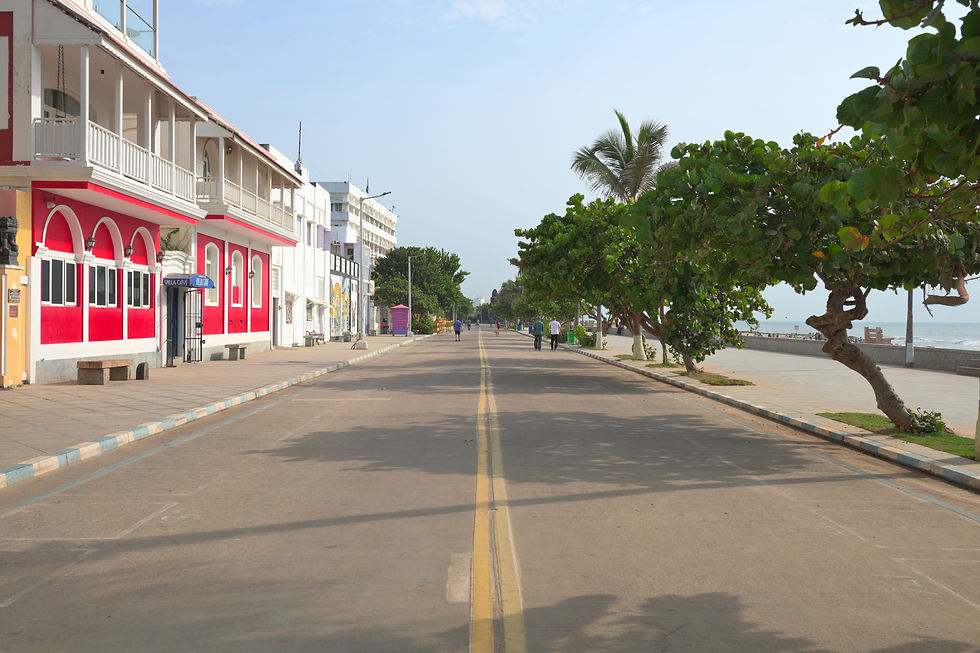
Have breakfast and relax at the hotel. Use this time to check your room, pack your belongings, and complete checkout by 11:00 AM instead of adding another sightseeing stop.
After checkout, take an auto to Puducherry Railway Station. The short transfer keeps the departure simple and leaves enough time before the 12:45 train to settle in without rushing.

Once aboard train 17654 Puducherry-Kacheguda Express, settle into your berth and let the return journey unfold at its own pace. The evening stays free for meals, reading or rest as the train continues overnight towards Hyderabad.
Practical Notes
Secure Valuables: Keep valuables and travel documents in your day bag.
Station Access: Check the departure platform after entering the station.
Refreshments: Keep water and a light snack ready for the afternoon.
Berth Setup: Settle luggage before the train leaves Puducherry.
Experience Basis
Visual Closure: The promenade provides a final spatial reference to the town.
Easy Morning: Keeping the morning light avoids a rushed final outing.
Simple Transfer: A short auto ride keeps the move from lodging to station easy.
Slow Transition: The overnight train carries the unhurried rhythm into the return journey.
Day 6: Hyderabad Arrival and Journey Conclusion
The overnight train continues its return towards Hyderabad through the early hours, giving you a full night to rest in the air-conditioned coach. By morning, the journey has shifted from exploration back to the familiar rhythm of returning home.
The journey concludes with a scheduled 07:50 arrival at Kacheguda Railway Station (KCG) in Hyderabad. Arriving early gives you plenty of time to leave the station and commute home before the morning traffic builds up.

Practical Notes
Luggage Double-Check: Conduct a thorough sweep of the train berths, under-seat storage areas, and charging pockets for personal items twenty minutes before the final halt.
Pre-Booked Transit: Arrange a private vehicle pickup at the designated station exit gate to ensure a smooth transition from the arrival platform.
Experience Basis
Restful Transit: The overnight rail link turns the return into a natural continuation of the unhurried experience.
Traffic Avoidance: Arriving in Hyderabad early leaves the rest of the day open.
Practical Takeaways for Pondicherry White Town Trip
The itinerary uses rail for entry and exit, with one central base supporting three walking circuits. This keeps movement focused on connected neighbourhoods rather than repeated cross-town transfers.
Timing does much of the practical work. Midday stays quieter, while walking shifts to more suitable morning or late-afternoon periods, keeping heat and busy streets from disrupting exploration.

This structure leaves more usable time for neighbourhood life. Cafés, residential streets, heritage details and the waterfront fit naturally into the walking rhythm without creating extra transfers or rushed detours.
The main principle is to build around Puducherry’s compact geography rather than chase individual sights. A well-positioned base, linked circuits and deliberate pauses create depth without exhausting the traveller.
FAQ: Risk, Logistics and Schedule Stability
This section uses questions to address the practical decisions that remain after reading the itinerary. It guides you through walking across Pondicherry White Town, choosing rail, managing heat, and understanding the heritage areas covered.
Can I walk the heritage circuits in one day?
Yes. Three linked circuits can cover White Town and the waterfront on foot, but splitting them across days keeps the walking load manageable.
Why use the overnight train from Hyderabad to Puducherry?
Overnight rail converts a long intercity transfer into sleep time, preserving the following day for exploration without adding a separate travel day.
Is Pondicherry White Town walkable for first-time visitors?
Yes. White Town has compact streets, connected heritage areas and a seafront edge, making several major areas practical to explore on foot.
How much of Pondicherry heritage can I see without a car?
Most of the itinerary works without a car. Walking covers the heritage circuits, while short auto rides handle station and lodging transfers.
Can I combine Pondicherry White Town with the promenade on foot?
Yes. White Town opens directly onto Goubert Avenue and the seafront, allowing heritage streets and the Bay of Bengal to form one walking route.
Is Pondicherry White Town suitable for older travellers?
Yes, with pacing. Short walking blocks, midday recovery and autos for luggage-heavy transfers reduce continuous walking and unnecessary movement.
How should I plan a Pondicherry heritage trip around the heat?
Use mornings for lighter movement, keep midday flexible and shift longer heritage walks towards late afternoon when heat and glare ease.


