Panna National Park 4-Day Safari Itinerary for First-Time Visitors

Updated: Aug 12
A structured 4-day safari itinerary in Panna National Park combining overnight rail travel, fixed forest drives, and controlled pacing for first-time visitors.

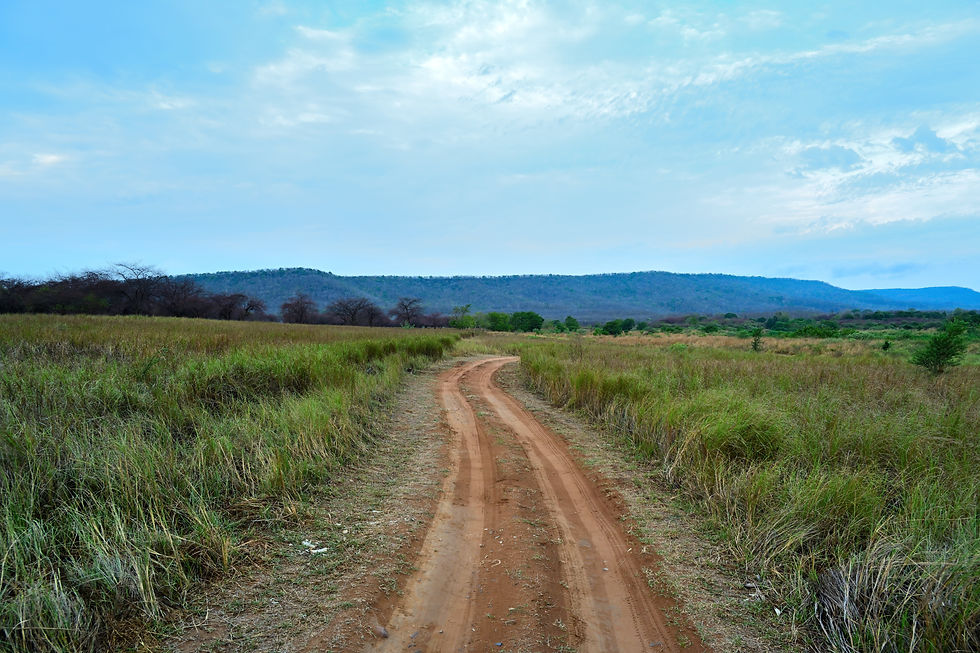
Panna National Park sits in the northern part of Madhya Pradesh, shaped by dry forests, open plateaus, and the Ken River system that defines wildlife movement across the landscape. It is a park where access, timing, and terrain awareness matter more than how much you try to cover.
For most travellers planning this trip, the route appears simple. A fast early morning train from Delhi seems efficient, promising a same-day arrival with enough time to settle in and start exploring.

In reality, that choice breaks the trip before it begins. Morning departures consume the most usable part of the day, delay entry into the forest zone, and push the first safari into a rushed or compromised window.
Many itineraries build on this flawed start, adding too many safaris without accounting for fatigue or recovery.
Peak summer conditions add another layer of pressure. Midday heat restricts movement, drains energy, and pushes poorly timed plans into the least effective parts of the day.
This itinerary corrects that structure from the start. It shifts long-distance travel into the night, protects the first full day for meaningful activity, fixes the number of safaris in advance, and builds each day around controlled movement and recovery.
A wildlife trip does not improve by adding more, it improves when each decision protects the next one.
At a Glance: Panna National Park Explorers Itinerary
This itinerary spans four days and three nights, structured around overnight rail movement from Delhi and a fixed forest base near the primary access gate.
The design prioritises timing control, safari sequencing, and recovery cycles over maximising activity count or forcing coverage into limited windows.
Mid-June anchors the plan within a period where movement concentrates around water sources, while lower crowd levels allow more stable access across safari slots.
Travel, stay, and safaris operate as a single system, with each component aligned to reduce transition friction and maintain consistency across active periods.
This structure suits first-time wildlife travellers and small groups who prefer clarity and control over flexible but fragmented planning.
Why This Itinerary Differs From Most Online Panna Itineraries
Season Timing: Mid-June lowers visitor density while pre-monsoon shifts concentrate movement near water without full weather disruption.
Transit Design: Overnight departure protects daytime usability while return avoids fatigue, ensuring both entry and exit align with energy and activity windows.
Fixed Activities: Limits safari count to three, preventing over-scheduling while enabling progressive learning across terrain and animal behaviour patterns.
Heat Alignment: Structures all outdoor movement within early and late windows, eliminating exposure during peak midday heat.
Base Efficiency: Positions stay near primary access gate to reduce transfer friction and maintain strict adherence to safari timings.
Energy Sequencing: Alternates high-focus safari blocks with recovery periods, avoiding cumulative fatigue that reduces observation quality.
Access Reliability: Builds itinerary around pre-defined entry systems and fixed windows rather than flexible but unreliable movement.
Exit Strategy: Uses same-day return to remove overnight travel fatigue and maintain post-trip recovery window.

The trip cost comes next so you understand the financial outline before entering the day-wise plan.
Panna National Park Explorers Trip Cost Breakdown
This itinerary follows a fixed structure built around pre-booked safaris, overnight rail positioning, and a base near the primary entry gate. Movement aligns with forest permit timings, stay cycles, and short transfer distances without adding unnecessary load.
The cost model reflects these choices. Safari pricing forms the largest share, structured per vehicle for shared use, while accommodation includes all meals to remove external dependencies during high-heat hours. Rail and transfer costs follow standard booking ranges based on class and availability.
The figures below represent realistic end-to-end trip costs under these conditions. They reduce variability, highlight where spend concentrates, and support planning a stable Panna safari without last-minute adjustments.
What Each Cost Pillar Includes

Panna National Park Explorers Itinerary Overview
This Panna National Park itinerary follows a wildlife-focused rhythm suited to the mid-June window, when water sources influence movement and visitor density remains relatively low. The structure balances early forest entry with planned recovery to sustain energy across consecutive safaris.
It avoids safari fatigue while accounting for rising heat across dry forest terrain. The pacing respects the patience required for tracking and remains manageable for first-time wildlife travellers.
The plan outlines a clean route built around overnight rail positioning, short transfers, and repeated access through a single entry system. Every stage carries a defined objective, ensuring controlled movement through the forest without rushed transitions or unnecessary load.

Critical Planning & Booking Note
Wildlife sightings remain unpredictable. While this itinerary maximises time inside Panna National Park through pre-booked safaris, tiger and leopard encounters cannot be guaranteed.
Season Advisory: Mid-June aligns movement around water sources while visitor density remains lower. Heat builds through the day, making early morning and evening safaris essential, with midday reserved for rest and recovery.
Midweek Restriction: Wednesday allows only a morning safari. The plan uses this limitation to structure arrival without losing a full activity window. Any shift in travel dates requires permit revalidation and revised safari allocation.
Advance Reservation Period (ARP): This plan depends on booking within defined windows to secure entry slots and maintain schedule continuity.
Trains: IRCTC bookings open 60 days prior to travel.
Safaris: Panna permits open 120 days in advance; book immediately on release through the official Madhya Pradesh Forest Department booking portal, as Madla gate slots fill quickly.
The Definitive Cost Breakdown: Panna National Park Explorers Itinerary
This section consolidates all major expense components, including safari permits, accommodation, meals, transport, and local transfers, to present a realistic cost estimate for a Panna safari.
Reviewing this outlay upfront sets clear expectations and allows travellers to assess feasibility, comfort level, and budget control before moving into the day-wise itinerary.
Day-by-Day Panna National Park Explorers Trip Itinerary
This itinerary follows a timed wildlife rhythm inside Panna National Park, where early morning and late afternoon safaris define movement across teak-dominated forest zones. Each day is structured to align with fixed entry windows, heat conditions, and recovery gaps between drives.
The sequence progresses from arrival and initial forest orientation to repeated safari exposure across the same core access zone near Madla, allowing observation patterns to develop without unnecessary movement or travel fatigue.
The plan closes with a controlled return to Delhi via Khajuraho, ensuring a clean exit from the forest system without overnight fatigue or disrupted recovery cycles.
Day 1: Delhi to Khajuraho Overnight Rail
The journey begins in the evening from Delhi using the 11842 Gita Jayanti Express, departing at 6:20 PM. This timing aligns with post-work schedules and avoids consuming an active daytime window.
Overnight rail converts transit into rest while maintaining a direct, uninterrupted route to Khajuraho. No diversions or intermediate stops are introduced, keeping movement simple and predictable.
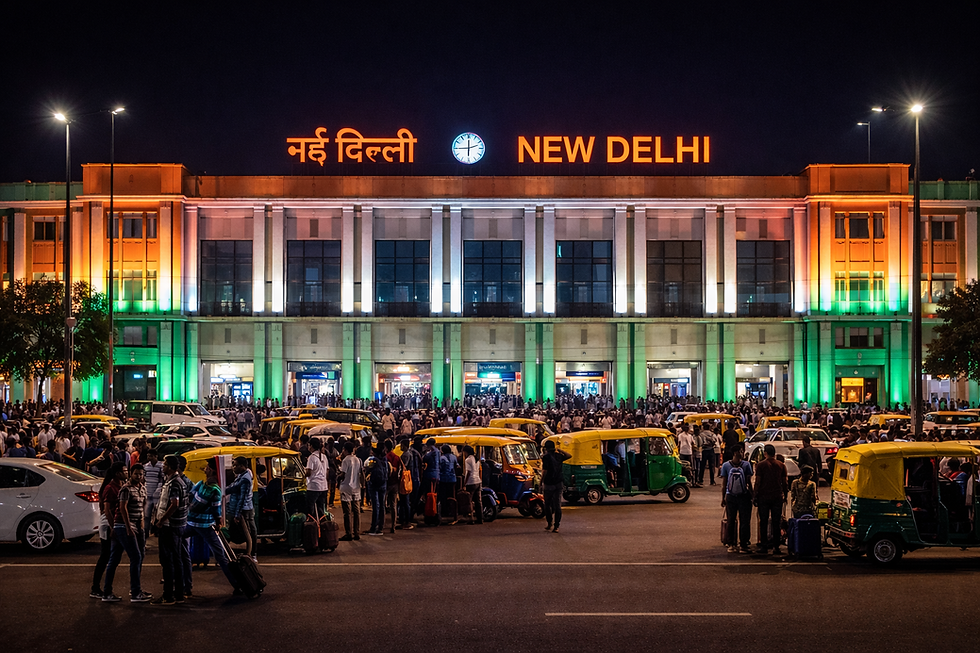
The objective remains singular. Complete the intercity transfer while preserving physical and cognitive energy for the forest phase beginning next morning.
Practical Notes
Season Timing: Mid-June reduces visitor density; pre-monsoon conditions cool terrain slightly and improve wildlife visibility around water zones.
Station Reporting: Reach platform at least 30 minutes early for smooth boarding and luggage handling.
Onboard Meals: Dinner and breakfast managed within train journey without planned station stops.
Packing Logic: Keep overnight essentials separate from main luggage for easy access.
Transfer Setup: Pre-arrange pickup at Khajuraho railway station to avoid delays after arrival.
Permit Handover: Keep safari permit printouts accessible for next-day check-in coordination.
Experience Basis
Midweek Advantage: Wednesday departure places safaris on Thursday–Friday, avoiding weekend crowd pressure and associated permit premiums.
Night Travel Shift: Converts transit into recovery window.
Energy Control: Avoids fatigue from same-day long-distance movement.
Route Simplicity: Direct rail reduces variability and coordination points.
Clean Start: Arrival aligns with immediate transition into forest phase.
Day 2: Khajuraho Arrival and Panna Transfer
The train arrives at Khajuraho at 8:00 AM. Exit the station and move to the pre-arranged vehicle for the short transfer toward Panna National Park, avoiding delays that disrupt the first activity window.
The road journey takes around 40 to 45 minutes and leads straight to the stay positioned near Madla Gate. Check into MPT Jungle Camp, located next to the primary entry point, which removes pre-safari travel and protects reporting time discipline.

Complete check-in, align meals, and rest through the midday heat window. This buffer stabilises energy after overnight travel and prepares the body for the first forest entry without fatigue carryover.
Report for the Evening Safari (4:00 PM – 7:00 PM), the first structured entry into the forest.

This drive introduces terrain layout, zone structure, and animal movement cues without forcing outcomes or rushing routes.
The session remains controlled and observational, setting the base for improved tracking and awareness in the following safaris.

Practical Notes
Permit Handover: Submit online permits at check-in so reception manages safari allocation and coordination.
Reporting Buffer: Plan arrival at gate around 30 minutes before entry window to avoid permit risk.
ID Requirement: Carry the same government ID used during safari permit booking.
Transfer Timing: Direct transfer ensures arrival aligns with rest window before first forest entry.
Meal Coordination: Confirm lunch timing on arrival to align recovery before afternoon safari.
Next-Day Breakfast Planning: Confirm packed breakfast with dining staff at dinner for early safari departure.
Experience Basis
Extended Morning Coverage: The 5:30–11:30 AM window allows full-zone movement rather than short-loop driving.
First Exposure Phase: The initial safari builds basic terrain awareness and sets context for interpreting movement patterns in subsequent drives.
Controlled Midday Gap: Staying within the resort between entries maintains physical stability and reduces attention drop during the evening session.
Day 3: Full Safari Cycle in Panna
The day anchors the core wildlife phase inside Panna National Park, built around two structured safaris aligned with peak movement windows. With entry formalities already streamlined at check-in, the focus shifts to execution.
The first safari unfolds in the early hours with the Morning Safari (5:30 AM – 11:30 AM), as light gradually builds across forest tracks and water channels.

This is the longest forest window, where sustained animal movement, fresh tracks, and active water zones improve overall sighting probability. Slower driving and longer halts enable deeper tracking rather than surface-level coverage.
A designated mid-morning forest break allows collected breakfast to be taken inside the park during the drive pause window.

Return to the stay by late morning transitions into a controlled recovery block. Breakfast, lunch, and rest remain within the property, preventing heat exposure and maintaining energy stability before the second drive.
The Evening Safari (4:00 PM – 7:00 PM) completes the dual-cycle structure. As temperatures drop, animal movement resumes near water bodies and shaded corridors.
This drive builds on the morning by refining route choices and responding more precisely to guide inputs.
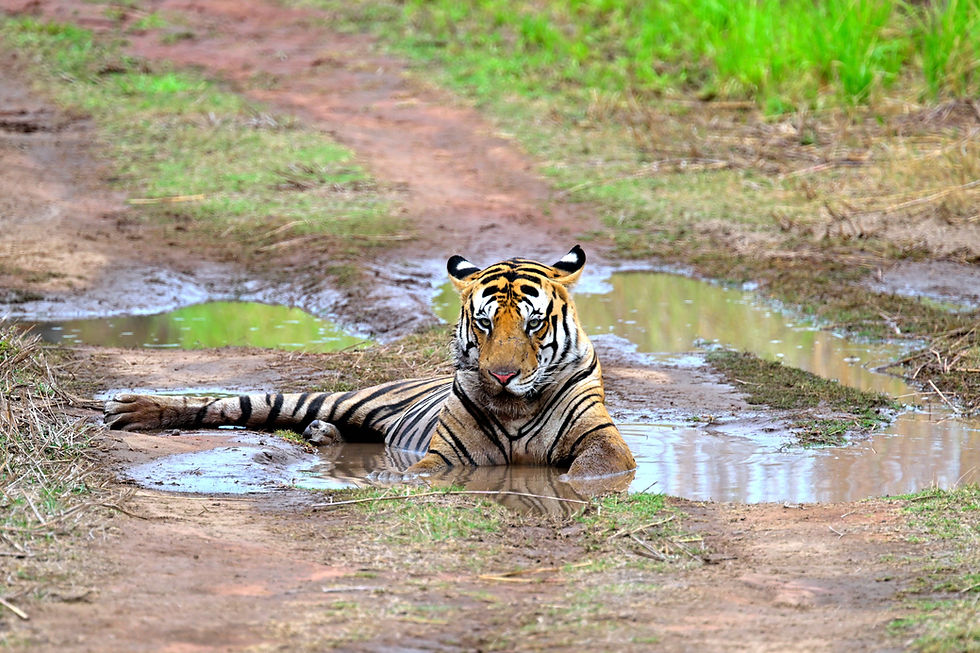
Dinner and early rest close the day, ensuring physical recovery before exit sequencing begins.
Practical Notes
Morning Exit: Leave by ~5:00 AM to align with 5:30 AM entry window, allowing buffer for gate checks and ensuring full use of the longest and most productive safari duration.
Breakfast Pickup: Collect packed breakfast before departure.
Midday Recovery: Remain within the property between drives; stepping out in peak heat drains energy and directly impacts alertness, patience, and observation quality in the evening safari.
Evening Reporting: Plan to reach gate ~30 minutes before entry window to maintain buffer within park rules and avoid last-minute rush impacting entry clearance.
Experience Basis
Tracking Progression: Second safari builds on prior exposure, improving ability to read alarm calls, track freshness, and interpret guide cues with greater confidence and context.
Peak Opportunity: By the third safari, familiarity with terrain and movement zones increases the probability of meaningful sightings rather than chance encounters.
Energy Balance: Structured rest between drives stabilises focus and prevents fatigue accumulation, ensuring consistent observation quality across both safaris within the same day.
Pattern Recognition: Repeated access within the same landscape allows patterns to emerge, shifting the experience from passive viewing to active tracking and anticipation.
Day 4: Return Journey to Delhi
The day shifts away from forest activity, moving into a controlled exit from Panna National Park with buffer built around fixed rail timing.
Morning remains unstructured, allowing full recovery after consecutive early safaris. Breakfast is taken at the stay, followed by a relaxed checkout aligned with the standard 12:00 PM timeline.
Post checkout, a short transfer connects back to Khajuraho. Given the early afternoon departure and limited facilities at the station, lunch is best completed either at the stay before departure or enroute during the transfer.

The return leg operates via 22469 Vande Bharat Express, departing Khajuraho at 2:50 PM and arriving at Hazrat Nizamuddin railway station at 11:10 PM. This daytime journey maintains comfort while avoiding overnight fatigue.
No additional activities are introduced, ensuring the trip concludes without rushed transitions or logistical pressure.
Practical Notes
Billing Closure: Settle all dues the previous night or at breakfast to avoid delays during checkout and departure flow.
Vehicle Confirmation: Reconfirm pickup timing and driver details a day prior to ensure smooth transfer to Khajuraho station.
Room Handover: Complete checkout formalities by 12:00 PM and keep luggage ready for immediate departure without hold-ups.
Station Buffer: Reach station ~30 minutes before departure for unhurried boarding, luggage handling, and platform clarity.
Experience Basis
Recovery Window: No morning activity allows physical reset after consecutive early safari starts.
Day Travel Comfort: Afternoon train avoids overnight fatigue and maintains consistency in travel experience.
Clean Exit Flow: Fixed timing with buffer removes uncertainty and prevents last-minute rush.
Trip Closure: Gradual transition from forest to city ensures the experience ends without abrupt fatigue.
Practical Takeaways for a Panna National Park Explorers Trip
This itinerary uses overnight rail to align arrival with the first usable forest window, avoiding any loss of active daylight on entry.
Each day is structured around fixed safari timings, with mornings carrying the primary load while midday is reserved for recovery and heat control.
The plan holds at three safaris, allowing progression from initial terrain understanding to improved tracking, with the final drive offering the strongest chance of meaningful sightings.

Staying near the main entry gate removes transfer uncertainty and ensures consistent access to all safari windows without timing pressure.
The return uses a daytime train to close the trip without overnight fatigue, keeping the overall experience stable through to completion.
Execution in a Panna safari stays stable when timing, movement, and exposure remain controlled within a single forest system.
FAQ: Risk, Logistics and Schedule Stability
Planning a trip to Panna National Park goes beyond booking safaris and stay. Permit timing, safari windows, rail coordination, and recovery cycles directly shape how the experience unfolds.
This section answers key planning and execution questions around access, timing, costs, and on-ground logistics, helping keep your Panna safari structured, predictable, and free from avoidable friction.
How many safaris are enough for this trip?
Three safaris balance learning, exposure, and fatigue without reducing observation quality.
Is June suitable for wildlife travel?
Yes, heat concentrates wildlife near water, improving visibility within limited activity windows.
What is the most efficient way to reach the park?
Overnight train arrival with short transfer ensures maximum usable daytime.
Should I prioritise morning or evening safaris?
Morning safaris offer longer duration and higher activity levels.
Where should I stay for Panna safari access?
Stay near Madla Gate to minimise transfer time and align with early morning and evening safari entry windows.
Is this itinerary suitable for first-time travellers?
Yes, structure simplifies decisions and reduces logistical uncertainty.
What happens if a safari gets cancelled?
Alternative slots depend on availability; multi-safari structure absorbs disruption.
How early should Panna safari and train bookings be made?
Panna safari permits open 120 days in advance, while IRCTC train bookings open 60 days prior; book immediately when windows open for preferred slots.
Why are Akola and Hinota gates excluded?
Lower stay density and longer transfers reduce safari–rest efficiency from Madla-based stays.


