Kanha National Park Safari Guide: Zones, Permits, Timings

Updated: Aug 11
In This Quick Guide: Understand how Kanha National Park safaris work including zones, permits, timings, booking and practical travel logistics before planning your visit.

Kanha National Park lies within the forested heart of central India, where extensive Sal woodlands, open clearings and gentle undulating terrain shape movement through one of the country’s most intact jungle ecosystems.
Seasonal change alters how the forest is experienced rather than how it functions. Summer opens longer views beneath thinning undergrowth, while the monsoon and winter rebuild layers of vegetation, moisture and filtered light.
Understanding Kanha begins with the landscape before the wildlife. This Kanha National Park Quick Guide breaks down how the forest, seasons and conservation shape movement, observation and planning across the reserve.
Why Visit Kanha National Park

Kanha’s identity extends beyond tiger sightings. Extensive Sal forests, open grasslands and carefully managed habitats support one of central India’s richest wildlife ecosystems, where conservation and natural processes continue to shape the landscape.
The park’s defining achievement is the recovery of the hard-ground Barasingha, a unique swamp deer and the state animal of Madhya Pradesh. Kanha became the only place in the world where this deer survived in the wild after its population fell to just 66 in the 1970s.
Habitat restoration, sustained protection and long-term monitoring helped the population recover to more than 1,000, allowing wildlife authorities to establish new populations in other protected areas and making Kanha one of India’s defining conservation landscapes.
Wildlife reveals itself differently across Kanha rather than from a single location. Moving between forests, grasslands and seasonal habitats gradually explains why the park rewards observation beyond individual sightings.
Habitat Diversity: Sal forests, bamboo patches, grasslands and seasonal water bodies create varied habitats that support different wildlife behaviours across the reserve.
Conservation Legacy: Long-term habitat management and species recovery transformed Kanha into a benchmark for restoring wildlife populations beyond a single protected area.
Forest Structure: Dense woodland alternates with open meadows, creating changing views that influence wildlife movement and observation throughout the day.
Seasonal Behaviour: Summer, monsoon and winter each reveal different patterns of vegetation, visibility and animal activity, making timing an important part of planning.
Ecological Balance: Predators, herbivores and birdlife interact across connected habitats, allowing visitors to observe the reserve as a functioning ecosystem rather than isolated wildlife encounters.
Kanha National Park Safari Zones and Access Gates
Kanha National Park stretches across a broad landscape of Sal forests, open meadows, bamboo thickets and seasonal streams in the Maikal Hills of Madhya Pradesh. These changing habitats shape wildlife movement throughout the reserve and create distinct safari experiences from one tourism zone to another.
Like other tiger reserves in Madhya Pradesh, Kanha is managed through core and buffer zones that regulate visitor access while protecting sensitive wildlife habitats.
Core zones form the ecological heart of the reserve. Safari routes follow designated forest tracks through mature woodland, grasslands and wetlands, with visitor numbers controlled through a permit system to minimise disturbance.

Buffer zones surround the core landscape, forming a transition between protected forest, village edges and secondary woodland. They support additional safari routes while remaining part of the larger Kanha Tiger Reserve.
Understanding the location of each entry gate helps when planning accommodation, estimating transfer times and selecting safari permits.
The map below highlights the core access gates in green and buffer gates in orange across Kanha National Park.
Kanha National Park’s safari network centres on four core zones, with three main entry gates providing access to different parts of the reserve.
Khatia Gate serves as the principal visitor gateway, providing access to the Kanha, Kisli and Sarhi core zones, along with the Khatia buffer zone.
Kanha and Kisli combine expansive meadows with mature Sal forest and form the central landscape of the reserve. Together with Sarhi, these zones support Kanha’s internationally recognised hard-ground Barasingha conservation programme.
Sarhi’s famous Saunf Meadow marks the birthplace of the species’ recovery, while the surrounding meadow system across the Kanha and Kisli landscapes remains among the best places to observe this remarkable conservation success.

Mukki Gate provides access to the Mukki core zone in the southern part of the reserve, where dense Sal forest, bamboo and seasonal streams create a distinctive safari setting.
The comparatively compact layout allows safari vehicles to cover more of the zone during a drive than the larger northern landscapes, contributing to Mukki’s reputation for rewarding wildlife sightings. Mukki Gate also serves the Phen buffer zone.
Sarhi Zone explores quieter north-western forests through a different section of the reserve. Visitors can enter via Khatia Gate or through the separate Sarhi Gate, which also serves the Sijora buffer zone.
Khapa is the only buffer zone with its own separate tourism entry gate.
Use the map to understand how the entry gates relate to one another before booking safari permits or choosing accommodation, as travel times between gate areas can be significant.
Top Experiences & Hidden Gems
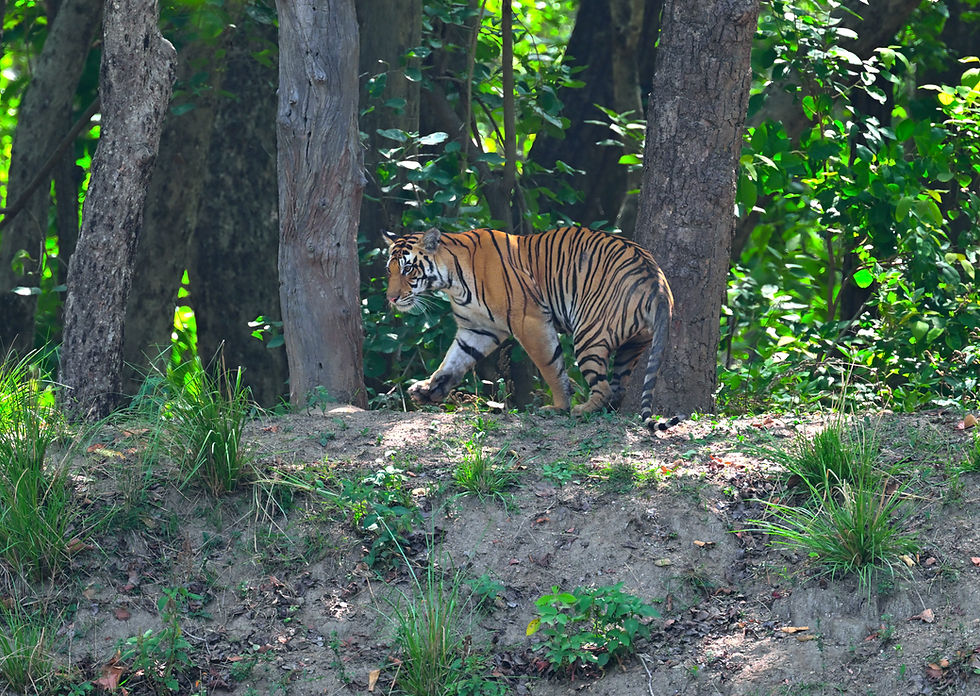
Kanha reveals itself through a landscape that changes gradually rather than dramatically. Sal forests, open grasslands, seasonal wetlands and bamboo thickets each support different wildlife behaviours, making every safari a journey through connected habitats rather than a single forest.
The reserve’s experiences extend beyond searching for individual animals. Habitat restoration, natural clearings and water sources shape where wildlife gathers, while changing seasons continually alter the pace and character of the forest.
Each safari reveals only part of Kanha. Together, these landscapes explain how forests, grasslands and wildlife combine to create one of India’s most complete jungle ecosystems.
Sal Forest Safaris: Extensive Sal woodland forms the backbone of Kanha, where shaded forest tracks, towering trunks and changing vegetation create the reserve’s defining jungle experience.
Barasingha Grasslands: Open meadows support the world’s last wild population of the hard-ground Barasingha, whose remarkable recovery has become one of India’s greatest wildlife conservation achievements.
Sondar Meadow: Wide natural grasslands reveal how open habitats support grazing herbivores, creating some of the reserve’s richest wildlife viewing landscapes through much of the year.
Forest Waterholes: Seasonal pools and permanent water sources attract herbivores, birds and predators throughout the day, especially as rising summer temperatures concentrate wildlife around reliable water.
Tiger Habitat Observation: Tigers move across forests, grasslands and water corridors rather than remaining in one location. Reading tracks, alarm calls and habitat often proves as important as spotting the animal itself.
Birdlife Diversity: More than 300 bird species occupy Kanha’s forests, grasslands and wetlands, with changing habitats supporting everything from woodland songbirds to raptors and wetland specialists.
Bamni Dadar: One of the reserve’s highest viewpoints looks across forests and meadows, revealing the broad landscape that connects Kanha’s many habitats into a single functioning ecosystem.
Changing Forest Light: Light shifts constantly beneath the Sal canopy before opening across sunlit grasslands, making the changing character of the forest as memorable as the wildlife it supports.
Best Photography Corners

Kanha changes as much with light as with wildlife movement. Open meadows, dense Sal forests, woodland edges and seasonal water sources each reveal different colours, textures and visibility, making location as important as timing.
These settings offer some of the reserve’s strongest visual moments, where habitat and wildlife come together.
Light Through the Sal Canopy: Tall Sal trees filter sunlight into shifting beams that illuminate the forest floor. These conditions create atmospheric woodland scenes where wildlife sits within its surroundings.
Open Meadow Landscapes: Broad meadows framed by forest open wide views across Kanha. Early and late daylight suits Barasingha, grazing herbivores and wider environmental compositions.
Seasonal Water Reflections: Shrinking water sources draw wildlife through the dry months. Reflections, drinking behaviour and species interactions often create varied compositions.
Forest Track Perspectives: Winding safari tracks beneath the Sal canopy naturally guide the eye through the forest. Curving roads, layered vegetation and changing light reveal the scale and depth of Kanha.
Birdlife Diversity: Forests, meadows and wetlands support more than 300 bird species. Habitat transitions often reveal greater variety than remaining within dense woodland.
Kanha’s strongest images place wildlife within the forest that sustains it. Seeing both together reveals the character of the reserve beyond individual sightings.
Local Vibe, Food & Culture

Kanha’s villages move at a slower pace than the safari itself. Around the reserve, farming, forest livelihoods and tourism exist alongside one another, creating a rhythm that changes little between safari drives.
The forests of Kanha have long been home to the Baiga and Gond communities, whose knowledge of the forest continues to shape life around the reserve.
Today, many residents work as naturalists, trackers, guides, drivers and hospitality staff, bringing generations of local knowledge into the safari experience.
Rather than treating the hours between safaris as downtime, they offer another way to understand the reserve beyond wildlife sightings.
Regional Cuisine: Many lodges serve meals inspired by Baiga and Gond traditions, using millets, forest produce, seasonal vegetables and regional pulses alongside familiar Indian dishes.
Life Beyond the Safari: Small farms, kitchen gardens and everyday rural life around the reserve offer a different perspective between safari drives.
Baiga and Gond Heritage: Community centres and local initiatives introduce visitors to traditional art, music, crafts and forest knowledge through cultural programmes and exhibitions.
Evenings in Kanha: Safari stories often continue long after the drive ends, with naturalists sharing insights as the forest settles into the night.
Kanha National Park Safari Timings
Safari entry times in Kanha National Park follow seasonal daylight patterns and change as sunrise and sunset shift through the year.
Morning and evening safaris operate through the main tourism season from October to June. Each permit lists the exact entry and exit time for the selected gate and safari session.

Kanha National Park operates under a single administrative system managed by the Madhya Pradesh Forest Department. As a result, safari timings remain consistent across all tourism gates, changing only with seasonal daylight.
The table below shows the current seasonal timing bands confirmed from recent safari permits.
Planning Guidance
Reach the entry gate at least thirty minutes before your scheduled safari to complete ID checks and vehicle allocation.
Carry the same identification used during permit booking, as forest staff verify details before allowing vehicles to enter the reserve.
Use the entry and exit times printed on your permit as the final reference when planning transfers between your stay and the gate.
Kanha Safari Booking and Permit System
A safari permit secures your seat for one drive and grants authorised entry into a specific zone on a chosen date and time. It does not guarantee wildlife sightings, and availability changes with season and demand.
Each permit is valid for a single safari. Morning and evening drives require separate bookings.
The same identification used during online booking must be presented in original form at the safari gate for verification. Forest staff match the ID details with the permit before allowing entry.
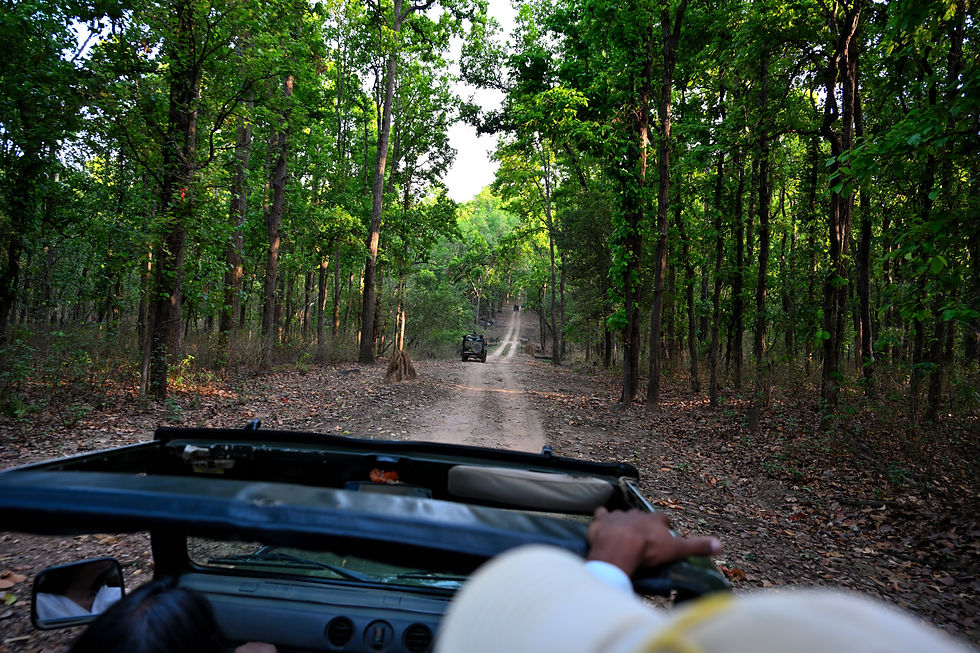
Mobile connectivity around the safari gates can be limited, so carrying a printed copy of your permit helps avoid delays during verification. While digital copies may be visible on your device, printed permits help avoid delays at the gate.
Always book through the official Madhya Pradesh Forest Department portal. Resorts and safari operators can assist with vehicles and logistics, but the permit itself should come from the official booking system.
Permits cover forest entry and zone access. Vehicle and guide arrangements are handled separately and explained below so you can plan your safari day without confusion.
Kanha Gypsy Safari Permits and Vehicle Allocation
Gypsy safaris use open-top jeep-style vehicles that carry up to six visitors, offering the flexibility to stop and observe wildlife along the safari route.
Safari permits for Kanha National Park are issued through the official Madhya Pradesh Forest Department booking portal.
A permit can reserve either a single seat in a shared safari vehicle or an entire jeep for a private safari. One vehicle permit allows up to six adults, while children under five may join without a separate seat.
The online permit fee covers zone access and regulated forest entry only.

Vehicle hire and guide charges are paid separately before the safari begins. Most visitors arrange vehicles through their accommodation or a registered safari operator.
If a vehicle has not been pre-arranged, safari jeeps are usually available near the entry gate and can be matched with valid permits, subject to availability.
A certified forest guide is assigned at the gate after your permit and identity documents are verified.
Still photography and consumer video cameras are allowed without additional charges. Separate permissions and fees apply for commercial filming or professional videography.
Canter Safari in Kanha National Park
Canter safaris use larger open-sided buses with elevated seating, allowing more visitors to share a single safari vehicle.
Each of the Kanha, Kisli and Mukki tourism zones operates one canter during both the morning and evening shifts.
Unlike Gypsy safaris, canter safaris are not booked through the online permit system. Seats are allotted on a first-come, first-served basis through the Forest Department office for the respective zone. Booking opens 24 hours before each safari.

A canter provides a shared safari option for visitors who do not wish to book a full vehicle, with a certified forest guide accompanying every drive.
The canter fare includes both forest entry and the safari vehicle, making it an economical way to experience Kanha.
Fares typically range between ₹1,500 and ₹2,000 per person but are revised periodically by the Forest Department. Confirm the current fare with the respective zone office before booking.
Kanha Gypsy Safari Cost: Permit Charges Overview
The table below lists current Kanha National Park safari permit fees for core and buffer zone entries booked through the official forest department portal.
Permit pricing varies based on nationality, vehicle type (full vehicle or single seat), and whether the booking falls on a normal or premium date.
The table reflects the base online permit fee only. Vehicle hire and forest guide charges are paid separately at the safari gate during permit verification before the drive begins.
Premium Dates and Pricing
The Madhya Pradesh forest department applies premium permit fees on select high-demand dates each tourism season. These dates typically include major holidays, long weekends, and peak travel periods.
Premium pricing appears automatically on the official permit portal when you select your travel date.
Because the premium date list changes each season, always verify the applicable fee during the booking process.

Where to Book Kanha Gypsy Safari Permits (Official Portal)
Book permits through the official Madhya Pradesh Forest Department booking portal.
Booking through the official system ensures accurate availability, government-set pricing, and valid permits recognised at the entry gates.
Estimated Cost of a Kanha Gypsy Safari
The total cost of a Kanha Gypsy safari combines the online permit fee with vehicle and guide charges paid at the safari gate before each drive.
A permit reserves your place for one core or buffer zone safari on a selected date and time.
The cost components include:
Online Safari Permit Fee: Covers zone access and regulated forest entry. The fee varies depending on whether the booking falls on a normal or premium date.
Gypsy Vehicle Charge + Forest Department Guide Fee: Paid together at the safari gate during permit verification. The charge applies per vehicle per drive and can either be paid entirely for a private jeep or shared among passengers in a shared safari vehicle.
MP Online Portal Fee: A small processing fee is added during online checkout on the official booking portal.
Essential Advice & Practical Prep

Thoughtful preparation makes a noticeable difference in how smoothly a safari unfolds.
Below are the key logistics and practical considerations to help you stay comfortable, prepared and fully focused on the experience inside Kanha National Park.
Key Booking and Logistics
Advance Permits: Core zone permits can be booked up to 120 days in advance through the official Madhya Pradesh Forest Department portal. Weekends, holidays and the peak tourism season often sell out early, so book well in advance if your travel dates are fixed.
Best Season: Safaris operate from October to June. Wildlife sightings generally improve from February to early May as water sources shrink and animals gather around remaining water. November to January offers cooler weather and comfortable safari conditions.
Accommodation: Stay close to your safari gate. Khatia has the largest concentration of lodges, while Mukki also offers a wide range of accommodation. This reduces early morning transfers and makes back-to-back safaris more comfortable.
Connectivity: Mobile coverage is available around Khatia, Mukki and nearby villages but becomes unreliable inside the reserve. Most lodges provide Wi-Fi suitable for basic browsing and messaging.
Nearest Airports: Jabalpur Airport (JLR) is the closest airport, while Raipur Airport (RPR) offers broader domestic flight connectivity.
Nearest Railway Stations: Nainpur Junction (NIR) is the closest railhead to Khatia. Balaghat Junction (BTC) serves the Mukki approach, while Gondia Junction (G) connects with the Balaghat–Nainpur branch line. Jabalpur Junction (JBP) offers extensive long-distance train connectivity across India.
Road Access: Kanha is connected by NH 30 via Jabalpur, NH 30 and NH 43 via Raipur, NH 44 and NH 543 via Nagpur, and NH 543 via Gondia.
Approximate Road Distances to Kanha National Park
Jabalpur → Khatia Gate: ~160 KM
Jabalpur → Mukki Gate: ~200 KM
Raipur → Khatia Gate: ~250 KM
Raipur → Mukki Gate: ~210 KM
Nagpur → Khatia Gate: ~260 KM
Nagpur → Mukki Gate: ~270 KM
Gondia → Khatia Gate: ~170 KM
Gondia → Mukki Gate: ~145 KM
Clothing and Gear Suggestion
Winter (Nov-Feb): Morning safaris in open vehicles can feel cold. Carry layered clothing such as a fleece or insulated jacket, along with gloves and a warm cap.
Summer (Mar-May): Days are hot. Wear lightweight, breathable clothing. Carry a wide-brimmed hat and sunglasses to protect against sun. Stay well hydrated between safari drives.
All Seasons: Neutral colours such as khaki, olive, brown and grey help avoid drawing attention from wildlife. A scarf or bandana protects against fine dust on dry forest tracks. A compact daypack is useful for carrying binoculars, sunscreen and spare batteries.

Field Photography Tips
Dust Protection: Fine red dust settles quickly. Keep cameras covered between sightings and avoid changing lenses in the vehicle unless you can shield the camera body inside a bag.
Lens Choice: A telephoto lens of 300 mm or longer works well for wildlife while maintaining a safe viewing distance. A mid-range zoom such as 24–70 mm or 24–120 mm is ideal for habitat scenes and environmental compositions.
Light Awareness: Dry deciduous forests reflect strong sunlight. Early morning and late afternoon safaris usually provide softer light, better contrast and more pleasing wildlife photographs.
Meadows and Water: Wildlife activity often increases around Kanha’s open meadows, seasonal waterholes and forest edges. Waiting quietly at a promising location can be more rewarding than constantly moving between sightings.
Expectations: Tigers and leopards move on their own schedule, and sightings are never guaranteed. Many memorable photographs come from changing light, natural behaviour and encounters with deer, birds and other wildlife.


