Panna National Park Safari Guide: Zones, Permits, Timings

Updated: Aug 6
In This Quick Guide: Understand how Panna National Park safaris work including zones, permits, timings, booking process and practical travel logistics before planning your visit.

Panna National Park lies within the Vindhyan plateau of northern Madhya Pradesh, where dry teak forests break across sandstone ridges and descend toward the Ken River valley.
Seasonal streams cut through the plateau before draining into the Ken, shaping grassland openings and forest corridors that guide wildlife movement across the reserve.
The park forms part of the Ken River landscape, a terrain defined by escarpments, river bends and dry forest plateaus. Vulture cliffs, riverbanks and woodland clearings create habitats that support predators, herbivores and a large diversity of birdlife. Seasonal heat, safari zones and river access influence how each visit unfolds across the reserve.
In this Panna National Park Quick Guide, you will find the essentials to plan safaris, understand the gate system and prepare for wildlife drives in this Ken River forest landscape.
Why Visit Panna National Park

Panna National Park offers tiger safaris across the dry forests and escarpments of the Vindhyan plateau in northern Madhya Pradesh. Forest routes move between plateau woodland, seasonal drainage lines and deep river valleys where wildlife gathers around water and open ground.
This varied terrain shapes how each safari unfolds. Vehicles follow dry stream beds, climb sandstone ridges and cross forest clearings where prey species move between feeding grounds and cover.
River Valley Landscapes: A major river system cuts through the reserve and forms deep valleys and wooded banks. These waterlines attract herbivores during the dry season while raptors and scavengers patrol cliffs and exposed rock faces.
Tiger Safaris Across Plateau Forests: Tigers remain the central draw in Panna. Safaris move through plateau woodland and dry forest corridors where predator movement follows waterlines and prey trails. The open structure of these forests allows long views across grassland edges and shallow valleys.
Wildlife Beyond the Big Cat: Panna supports leopards, sloth bears, chital, sambar and nilgai across its dry forest ecosystem. Marsh crocodiles occupy stretches of riverbank habitat, while vultures and raptors circle above cliffs and woodland clearings.
Cliff, Plateau and Forest Habitat Mix: The reserve contains several distinct landscape layers. Plateau forests dominate the upper terrain, steep escarpments break the forest canopy and grassland openings appear along seasonal drainage lines. This habitat variation shapes wildlife movement across the park.
River Gorge Landscapes: Sections of the river corridor cut through exposed rock and deep gorge terrain along the forest edge. These canyon formations reveal layered stone faces and cliffs that contrast with the surrounding plateau forests.
Panna National Park Safari Zones and Access Gates
Panna National Park lies within the northern forests of Madhya Pradesh where plateau woodland, river valleys and escarpment terrain shape how wildlife moves across the landscape. Safari access follows this terrain through a small network of regulated entry gates.
Like other tiger reserves in the state, Panna operates through core and buffer zones that determine how visitors enter the forest and how tourism interacts with protected habitat.
Core zones form the ecological centre of the reserve. These forests hold the most sensitive wildlife areas where safari movement follows fixed routes and permit numbers remain controlled.

Buffer zones surround the core landscape and support a broader transition between forest, village edges and secondary woodland. These areas allow additional safari routes while remaining part of the larger protected ecosystem.
Understanding where each gate sits helps visitors plan travel time, accommodation and permit selection. Some gates provide quick access to plateau forest drives, while others move closer to river valley terrain and escarpment edges.
The map below highlights the core access gates in green and buffer gates in orange across Panna National Park. Use it to understand the relative position of each entry point before booking safari permits or selecting a stay location.
Panna’s safari access concentrates around a small set of entry gates that lead into different parts of the forest landscape.
Madla serves as the primary visitor gateway and sits closest to the reserve headquarters and common accommodation clusters. Many safari itineraries begin here due to shorter transfer distances.
Hinouta provides access to southern forest routes where plateau woodland and escarpment terrain shape safari movement. Drives here often move through quieter sections of the reserve.
Akola connects to northern forest stretches and also supports a buffer entry that expands route flexibility when core permits fill.
Use the map to understand how these gates relate to each other and to identify the entry point closest to your stay before booking permits on the Madhya Pradesh Forest portal.
Top Experiences & Hidden Gems

Panna safaris unfold across plateau forests, river valleys and escarpments of the Vindhyan landscape. The reserve also carries one of India’s most remarkable conservation stories.
By 2009, poaching had wiped out Panna’s entire tiger population. A reintroduction programme began the same year with tigresses relocated from Bandhavgarh and Kanha, followed by a male from Pench. The first cubs were born in 2010, and the population has steadily rebuilt since then.

Today, safaris explore a forest where tiger recovery, river landscapes and cliff habitats combine to shape one of central India’s most distinctive wildlife experiences.
This section highlights the core safari moments and lesser-known landscapes that shape a deeper experience of the Panna forest.
Tiger Safaris in Plateau Forests: Safari routes move through dry teak woodland and shallow valleys where chital and sambar graze along forest clearings. Guides track alarm calls and fresh pugmarks to interpret predator movement.
Ken River Wildlife Corridor: The Ken River cuts through the reserve, forming wooded banks and open sandbars. Crocodiles rest along quiet stretches while raptors patrol overhead and herbivores approach the waterline in dry months.
Raneh Canyon Landscape: Near the reserve edge, the Ken River drops into a deep volcanic canyon where layered rock cliffs reveal dramatic geological formations rarely seen elsewhere in central India.
Vulture Cliffs and Escarpments: Rocky escarpments around the reserve support nesting colonies of long-billed and Egyptian vultures. Panna hosts seven of the nine vulture species recorded in India. Early morning thermals often lift circling raptors above these cliff faces.
Forest Birdlife Across Plateau Woodland: Panna supports woodpeckers, minivets, drongos and raptors across its dry forest canopy. Slow drives often reveal mixed bird flocks moving between tall teak and bamboo patches.
Riverbank Crocodile Habitat: Marsh crocodiles inhabit quiet river stretches and sandy banks along the Ken. They often appear during sunny hours when reptiles surface to warm along exposed edges.
Ken Gharial Sanctuary: Downstream stretches of the Ken River form part of the Ken Gharial Sanctuary. The long-snouted gharial survives here along deep river channels and sandy banks. This critically endangered reptile occurs only in the Indian subcontinent.
Seasonal Grassland Wildlife Movement: Open grass patches near forest clearings attract chital, nilgai and wild boar. These feeding grounds often become focal points for predator movement during early morning safaris.
Best Photography Corners

Panna rewards photographers who pay attention to terrain and light rather than chasing single sightings. Plateau forests, river valleys and sandstone cliffs create strong natural frames where wildlife appears within the wider landscape.
Patience often produces the best images here. Early light along riverbanks, silhouettes on escarpment ridges and movement across forest clearings offer compositions that go beyond the big cat moment.
Ken River Sandbanks: Wide sandbars and slow bends along the Ken River create open compositions. Crocodiles, deer and river birds often appear against pale sand and water reflections during early morning drives.
Raneh Canyon Viewpoints: Volcanic rock formations and layered cliffs create dramatic textures rarely seen in central Indian forests. Strong side light during early morning or late afternoon highlights the canyon’s colour bands.
Escarpment Ridges Above the River Valley: High sandstone ridges break the plateau forest and open wide views across the valley. Raptors, vultures and soaring birds frame well against open sky and cliff edges.
Plateau Grassland Clearings: Small grass openings inside the forest attract chital, nilgai and wild boar. These natural stages allow clean compositions where animals move through warm light and minimal background clutter.
Teak Forest Light Corridors: Tall teak trunks create repeating patterns along safari tracks. Morning light filtering through the canopy produces layered depth where deer, langurs and peafowl step into brief pockets of illumination.
Riverbank Crocodile Habitat: Sunny river edges often host resting marsh crocodiles. Low angles across waterlines help frame reptiles against ripples, sandbars and reflections.
Vulture Cliff Faces: Steep rock walls around the river valley support nesting vultures. Early thermals bring circling birds that photograph well against open sky and textured cliff backdrops.
Seasonal Stream Crossings: Dry stream beds cut through the forest and form natural leading lines. Tracks, fallen logs and sand patches help build minimalist frames during quiet stretches between wildlife movement.
Local Vibe, Food & Culture

Life around Panna National Park blends wildlife tourism with the long cultural history of the Bundelkhand region. Temple towns, farming villages and river communities shape the rhythm between safari drives.
Travellers often move between early forest safaris and quieter afternoons where local food, crafts and temple architecture offer a deeper sense of place.
Khajuraho Temple Complex: A short drive from the reserve, the western group of temples presents some of India’s finest medieval stone architecture. Sandstone carvings and elevated platforms offer a strong visual contrast to the surrounding forest landscape.
Baldeoji Temple, Panna: Within Panna town, Baldeoji Temple introduces a distinct architectural contrast to the region’s sandstone shrines. The structure draws inspiration from classical European design and houses a dark shaligram idol of Baldev, the elder brother of Lord Krishna.
Bundelkhand Village Life: Villages around Panna follow an agrarian rhythm shaped by monsoon crops and dry seasons. Mud homes, cattle courtyards and small shrines reveal a slower pace tied closely to land and weather.
Ken River Communities: Settlements along the Ken depend on seasonal farming and fishing. Life follows the river’s flow, and small ghats or crossings offer quiet glimpses of daily routines near the forest edge.
Bundeli Cuisine and Rural Kitchens: Local meals rely on hardy grains suited to dry climates. Wheat rotis, lentils and seasonal vegetables dominate simple home cooking served in lodges and village kitchens.
Kodo and Kutki Millet Dishes: These ancient millets remain staples in Bundelkhand diets. Light rotis or porridges made from these grains provide steady energy suited to hot plateau conditions.
Temple Town Sweet Shops: Khajuraho’s small sweet shops produce jalebi, peda and seasonal sweets that reflect the temple town’s pilgrimage economy and steady visitor flow.
Stone Craft and Rural Workshops: Stone carving traditions survive in parts of Bundelkhand where artisans shape temple replicas, idols and decorative pieces using sandstone similar to that seen in the Khajuraho temple
Forest Guides as Storytellers: Many guides come from nearby villages and carry stories of river floods, old hunting routes and forest change. Their conversations often link wildlife sightings with local memory.
Evenings in Safari Lodges: After sunset, the forest edge quietens. Lodges serve warm meals while temple bells and night birds drift through the darkness.
Panna National Park Safari Timings
Safari entry times in Panna National Park follow seasonal daylight patterns and shift as sunrise and sunset change through the year.
Morning and evening safaris operate through the main tourism season from October to June. Each permit lists the exact entry and exit time for your selected gate and safari session.

Panna operates through a single administrative system under the Madhya Pradesh Forest Department, so timing windows remain consistent across gates while still adjusting slightly with seasonal light conditions.
The table below shows the current seasonal timing bands confirmed from recent safari permits.
Planning Guidance
Reach the entry gate at least thirty minutes before your scheduled safari to complete ID checks and vehicle allocation.
Carry the same identification used during permit booking, as forest staff verify details before allowing vehicles to enter the reserve.
Use the entry and exit times printed on your permit as the final reference when planning transfers between your stay and the gate.
Panna Safari Booking and Permit System
A safari permit secures your seat for one drive and grants authorised entry into a specific zone on a chosen date and time. It does not guarantee wildlife sightings, and availability changes with season and demand.
Each permit is issued for a single safari drive. A morning permit does not cover the evening drive, and every additional safari requires a separate booking.
The same identification used during online booking must be presented in original form at the safari gate for verification. Forest staff match the ID details with the permit before allowing entry.

Most safari gates inside Madhya Pradesh parks have limited or no mobile connectivity. Because of this, carrying a printed copy of your safari permit is strongly recommended and often requested during entry verification. While digital copies may be visible on your device, printed permits help avoid delays at the gate.
Always book permits through the official state portal to avoid price markups or outdated availability. Resorts and private agents can help organise vehicles and logistics, but the permit itself should come from the official booking system.
Permits cover forest entry and zone access. Vehicle and guide arrangements are handled separately and explained below so you can plan your safari day without confusion.
Panna Safari Permits and Vehicle Allocation
Safari permits for Panna National Park are issued through the official Madhya Pradesh Forest Department booking portal.
A permit can reserve either a single seat in a shared safari vehicle or an entire jeep for a private safari. One vehicle permit allows up to six adults, while children under five may join without a separate seat.
The online permit fee covers zone access and regulated forest entry only.
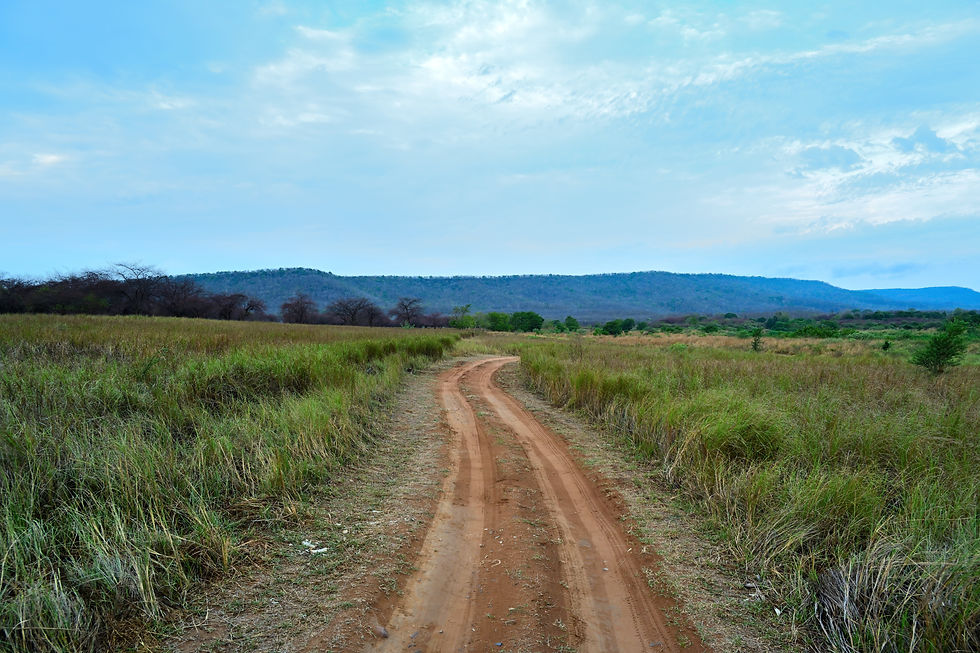
Vehicle and guide charges are paid separately at the safari gate during permit verification. Most visitors arrange their safari vehicle through their accommodation or a registered safari operator.
If a vehicle is not pre-arranged, safari jeeps usually wait near the entry gate and can be matched with permits when required.
A certified forest guide is assigned at the gate after your permit and identity documents are verified.
Still photography and consumer video cameras are allowed without additional charges. Separate permissions and fees apply for commercial filming or professional videography.
Panna Safari Cost: Permit Charges Overview
The table below lists current Panna National Park safari permit fees for core and buffer zone entries booked through the official forest department portal.
Permit pricing varies based on nationality, vehicle type (full vehicle or single seat), and whether the booking falls on a normal or premium date.
The table reflects the base online permit fee only. Vehicle hire and forest guide charges are paid separately at the safari gate during permit verification before the drive begins.
Premium Dates and Pricing
The Madhya Pradesh forest department applies premium permit fees on select high-demand dates each tourism season. These dates typically include major holidays, long weekends, and peak travel periods.
Premium pricing appears automatically on the official permit portal when you select your travel date.
Because the premium date list changes each season, always verify the applicable fee during the booking process.

Where to Book Panna Safari Permits (Official Portal)
Book permits on the official portal: Panna National Park Official MP Forest Permit Booking Link.
Booking through the official system ensures accurate availability, government-set pricing, and valid permits recognised at the entry gates.
Typical Panna Safari Cost per Drive
Safari costs at Panna National Park combine the online permit fee with vehicle and guide charges paid at the safari gate before each drive.
A permit reserves your place for one core or buffer zone safari on a selected date and time.
The cost components include:
Online Safari Permit Fee: Covers zone access and regulated forest entry. The fee varies depending on whether the booking falls on a normal or premium date.
Gypsy Vehicle Charge + Forest Department Guide Fee: Paid together at the safari gate during permit verification. The charge applies per vehicle per drive and can either be paid entirely for a private jeep or shared among passengers in a shared safari vehicle.
MP Online Portal Fee: A small processing fee is added during online checkout on the official booking portal.
Essential Advice & Practical Prep

Thoughtful preparation makes a noticeable difference in how smoothly a safari unfolds.
Below are the key logistics and practical considerations to help you stay comfortable, prepared and fully focused on the experience inside Panna National Park.
Key Booking and Logistics
Advance Permits: Core zone permits can be booked up to 120 days in advance through the official forest department portal. Popular weekends and holiday periods fill quickly, so early booking helps secure preferred safari slots.
Best Season: Safaris operate from October to June. Peak wildlife movement occurs from February to early May when water sources shrink and animals move more frequently. Winter months from November to January offer comfortable temperatures and softer light for photography.
Accommodation: Most accommodation clusters are near the main safari entry gates such as Madla and Hinauta. Choosing a lodge close to your assigned gate reduces early morning travel and allows more rest between safari drives.
Connectivity: Mobile reception becomes inconsistent around the forest landscape. Coverage is generally stronger in nearby towns like Panna and Khajuraho, while signal inside the reserve is limited. Many lodges provide Wi-Fi suitable for messaging and basic browsing.
Arrival Hubs: The nearest airport is Khajuraho Airport (IATA Code: HJR), about 22 KM from the park. The closest railway station is Khajuraho (Station Code: KURJ), located 19 KM away. Ground transfers from Khajuraho to the safari gates are commonly arranged through lodges and local operators.
Road Access: Panna sits along National Highway 39, linking the Bundelkhand plateau with central India. Regular buses and private vehicles connect the park with cities such as Khajuraho, Jhansi, Bhopal and Indore.
Clothing and Gear Suggestion
Winter (Nov-Feb): Morning safaris in open vehicles can feel cold. Carry layered clothing such as a fleece or insulated jacket, along with gloves and a warm cap.
Summer (Mar-May): Days are hot. Wear lightweight, breathable cottons. Always carry a wide-brimmed hat and sunglasses to protect from sun and heat exposure. Hydration is important between safari drives.
All Seasons: Neutral colours such as khaki, olive, brown and grey help avoid drawing attention from wildlife. A scarf or bandana protects against fine dust raised by vehicles on dry forest tracks. A compact daypack helps carry binoculars, sunscreen and spare batteries.
Field Photography Tips
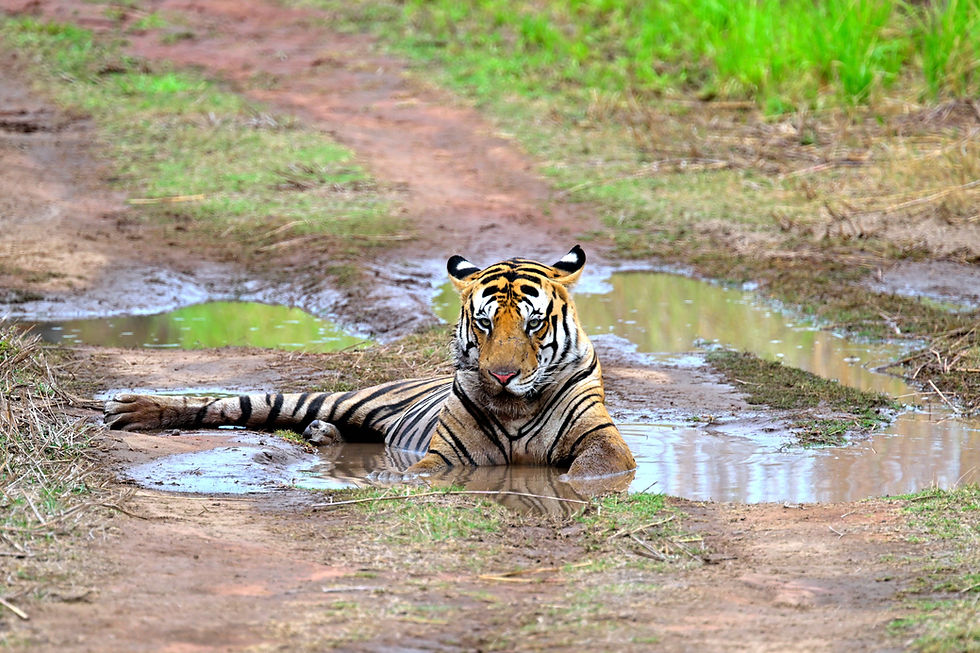
Dust Protection: Fine red dust settles fast. Keep cameras covered between sightings and avoid lens changes in the vehicle unless you can shield the body and lenses inside a bag.
Lens Choice: Long telephoto lenses of 300 mm or more work best for wildlife sightings while maintaining distance. A mid-range zoom such as 24–70 mm or 24–120 mm helps capture wider habitat scenes and environmental frames.
Light Awareness: Dry deciduous forests reflect strong sunlight. Early morning and late afternoon safaris produce softer contrast and longer shadows, which often work better for wildlife photography.
Edges and Water: Forest tracks near water sources, riverbanks and open clearings often show higher wildlife movement. Waiting quietly near one promising location can sometimes produce better sightings than constant repositioning.
Expectations: Tigers and leopards move according to their own rhythms. Sightings are never guaranteed. Many memorable photographs come from observing how light changes across the forest while deer, birds and smaller predators move through the landscape.


