Binsar Winter Quick Guide: Kumaon Ridge Walks & Snow Silence
- Subhashish Chatterjee

- May 10
- 7 min read
In This Quick Guide: Explore Binsar through winter forest silence, Himalayan light, and slower movement across the Kumaon ridge lines.

Binsar sits along a high ridgeline in the Kumaon region of Uttarakhand, where dense oak forests rise above Almora and open intermittently toward the central Himalayan range.
Binsar Wildlife Sanctuary occupies the upper section of this ridge system, enclosing forest trails, scattered settlement pockets, and a narrow mountain road within a controlled high-altitude environment.
Winter changes how the landscape functions. Frost delays movement inside shaded sections, snowfall slows vehicle access, and long periods of silence settle across the forest after sunset.
This Binsar quick guide decodes winter movement, sanctuary logistics, Himalayan visibility patterns, thermal preparation, and the practical realities of living inside a cold forest enclosure.
Who This Guide Is For
This guide suits travellers comfortable with reduced movement, limited connectivity, and long periods inside a forested mountain environment during peak winter conditions.
It supports visitors who prioritise observation, controlled pacing, and environmental immersion over packed itineraries or attraction-focused travel across the Kumaon hills.
Winter in Binsar works best for travellers prepared to adapt around fog windows, frost-covered roads, early darkness, and extended periods where silence, stillness, and weather become the primary experience itself.
Why Visit Binsar In Winter

Binsar functions differently from most Himalayan hill destinations. Forest density, controlled development, and limited through-traffic preserve long stretches of uninterrupted environmental quiet.
The region shifts attention away from sightseeing volume and toward environmental awareness. Light movement, bird calls, frost texture, and changing mountain visibility become the primary experience layers.
Observational Pace: Winter movement slows naturally across the ridge, encouraging travellers to read weather, silence, and terrain instead of chasing fixed schedules.
Thermal Living: Buildings reorganise around sunlight exposure, wood-fire heating, and indoor heat retention once temperatures collapse after dusk.
Vertical Silence: Dense oak and rhododendron cover absorb sound across large sections of the sanctuary, especially after snowfall or heavy fog.
Himalayan Views: Clear winter mornings reveal long visibility bands toward Nanda Devi, Nanda Kot, Panchachuli, Trishul, and Chaukhamba.
Sanctuary Isolation: Limited commercial activity and weak mobile signal create long periods without interruption inside the upper forest zone.
Winter Soundscape: Reduced foliage density and lower visitor movement make forest sound layers more noticeable across the ridge during colder months.
Top Experiences & Hidden Gems
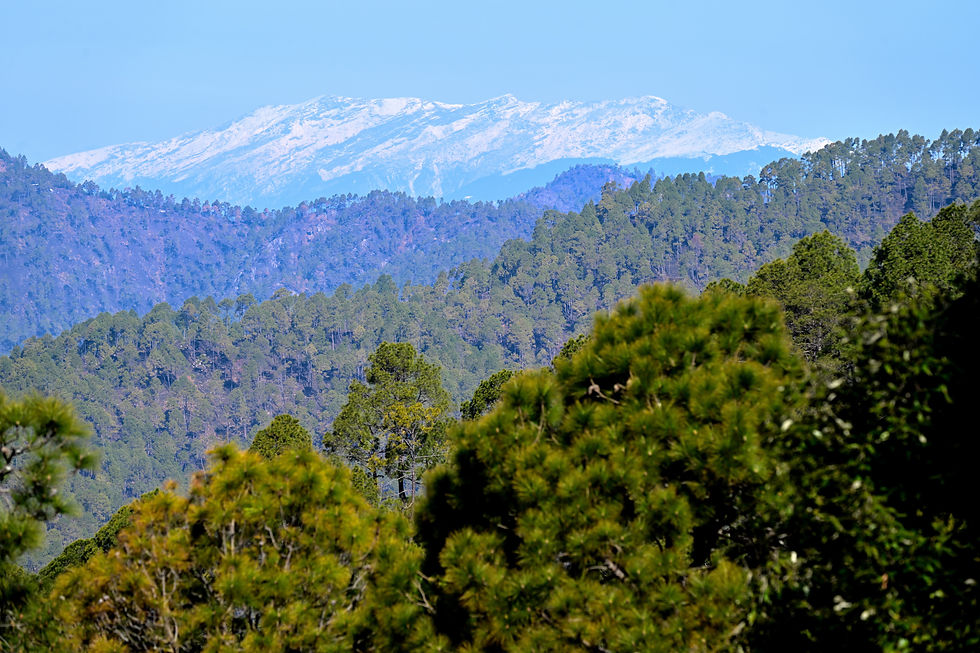
Movement through Binsar unfolds gradually across elevation bands. Lower roads remain socially active, while upper sanctuary sections transition into quieter forest corridors and isolated ridge viewpoints.
Winter exploration depends heavily on sunlight timing. Open ridges warm quickly after sunrise, but interior oak sections can retain frost and compacted snow through most of the afternoon.
The strongest experiences emerge through repetition rather than distance. Returning to the same trail at different hours reveals changes in fog density, bird activity, and mountain visibility.
Ridge Openings: Small breaks along the forest spine reveal wide Himalayan views stretching across the Kumaon Himalayas during stable winter weather windows.
Temple Corridor: The Bineshwar section transitions from settlement movement into denser oak cover, where snowfall begins holding longer across shaded ground.
Birding Trails: Interior paths near old oak stands attract nuthatches, laughingthrushes, barbets, and woodpeckers during quieter morning hours.
Fire Paths: Narrow winter foot trails preserve fresh animal tracks, frost texture, and overnight movement signs after light snowfall events.
Evening Glow: Late afternoon light briefly separates Trishul, Nanda Devi, and Panchachuli from surrounding cloud bands before dusk closes the ridge.
Snow Pockets: Hidden forest clearings preserve undisturbed snow surfaces, fallen oak leaves, and compressed animal trails away from the main road.
Slow Settlements: Heritage stays and small ridge homes continue operating around sunlight access, wood storage, and thermal efficiency during colder weeks.
Best Photography Corners
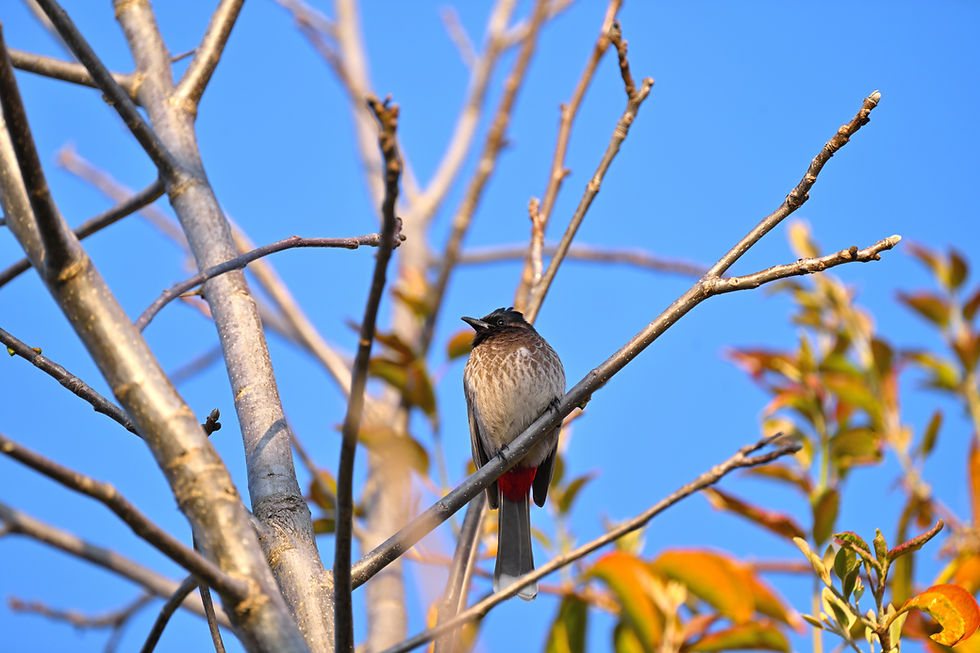
Winter light behaves unevenly across Binsar. Open ridges receive sharp directional sunlight, while dense oak sections remain blue-toned and contrast-heavy through the morning.
Bird movement changes quickly with temperature gain. The first hour after sunlight reaches the canopy produces the strongest combination of sound activity, visible movement, and textured light.
Snow, fog, smoke, and frost compress depth differently across each elevation band, creating short photographic windows that shift rapidly through the day.
Moss Texture: Low-angle sunlight hitting frozen oak moss creates dense texture contrast across bark, retaining walls, and exposed roots.
Griffon Circles: Himalayan griffons use rising thermal pockets above the ridge after late morning, creating layered sky movement against distant peaks.
Forest Contrast: Dense rhododendron sections produce monochrome separation where snow patches cut sharply across dark woodland interiors.
Hearth Frames: Interior firelight spilling through windows contrasts strongly against the blue outdoor dusk during snowfall and evening fog build-up.
Vanishing Roads: Fresh snowfall reduces road visibility across the forest spine, allowing tree density and fading tyre marks to dominate compositions.
Frost Trails: Early boot tracks through shallow snow create strong leading lines before sunlight softens the surface texture.
Local Vibe, Food & Culture

Winter compresses social life indoors across the Binsar ridge. Kitchens, fire corners, and enclosed dining spaces become the centre of evening activity once temperatures begin falling after sunset.
Daily routines follow sunlight exposure more than clock time. Wood collection, outdoor work, and ridge movement accelerate during warm afternoon windows before fog and cold return.
Hospitality during winter depends less on formality and more on thermal care. Refilled tea, extra blankets, copper water vessels, and fire access become part of everyday hosting culture.
Angithi Gatherings: The traditional wood-fired heater acts as both a heat source and an evening social anchor inside Kumaoni homes and lodges.
Winter Kitchens: Slow-cooked meals remain close to the hearth through the evening, keeping indoor spaces warm while reducing repeated cooking effort.
Bhat Dal: Iron-rich black soybean curry provides winter protein and sustained warmth during colder high-altitude weeks.
Mandua Rotis: Finger millet flatbreads retain heat well and pair with heavier winter curries after long uphill walks and cold evenings.
Bhaang Chutney: Toasted hemp seed chutney adds fat, citrus sharpness, and smoky texture to otherwise simple winter meals.
Malta Rituals: Winter citrus from ridge orchards often appears as warm Malta mixes with curd, local salt, and spices shared during colder afternoon hours.
Bird Traditions: Residents often identify seasonal bird movement through sound patterns long before visual sightings become possible inside the forest.
Winter Observances: Smaller village gatherings around Makar Sankranti introduce sesame sweets, local grains, and community fires during January cold spells.
Pine Smoke: Damp earth, woodsmoke, and burning pine needles settle into the evening air once fog descends across the ridge after dusk.
Essential Advice & Practical Prep

Winter conditions inside Binsar depend more on frost retention, road exposure, and sunlight access than reported daytime temperatures. Surface ice remains the primary movement constraint after snowfall.
Getting There, Stay Zones & Regional Connectivity
Kathgodam Route: Kathgodam Railway Station (KGM) sits around 115 KM from Binsar and remains the most common rail entry point for Kumaon travel.
Lal Kuan Option: Lal Kuan Junction (LKU), roughly 125 KM away, offers broader rail connectivity for travellers arriving from eastern and central India.
Airport Access: Pantnagar Airport (PGH) lies about 145 KM from Binsar, though winter fog can delay morning arrivals and departures.
Highway Access: Most routes converge through Almora via the Haldwani–Bhowali–Almora highway corridor before climbing toward the Binsar ridge.
Public Transport: UTC buses operate between Delhi’s Anand Vihar ISBT and Almora, while shared taxis connect Haldwani, Kathgodam, Almora, and nearby ridge settlements throughout the day.
Ridge Ascent: The road climbs steadily beyond Almora through tighter bends, forest sections, and narrower shoulders toward the sanctuary gate.
Stay Zones: Eco Sanctuary stays prioritise forest immersion and reduced movement, while Eco Binsar near Dhaulchina offers broader ridge exposure with easier winter road access.
Meal Planning: Several forest stays operate with fixed vegetarian meal systems during winter. Confirm heating, meal timing, and dietary flexibility before arrival.

Local Movement & Ground Realities
Entry Charges: Sanctuary access currently costs ₹200 per Indian visitor, with small vehicle charges beginning around ₹250 at the forest gate.
Gate Timing: Forest entry movement follows sunrise-to-sunset timing patterns, reducing flexibility for delayed evening arrivals after Almora.
Frost Risk: Black ice forms regularly along shaded curves even when exposed sections appear dry and safe for normal driving.
Vehicle Choice: High-clearance vehicles handle post-snowfall slush and uneven road edges more effectively than standard hatchbacks or sedans.
Wildlife Reality: Leopards and Himalayan black bears occasionally move close to settlement edges during quiet winter hours, especially after dark.
Walking Protocol: Solo walking after sunset inside deeper sanctuary stretches increases risk due to low visibility, wildlife movement, and weak signal coverage.
Power Limits: Many stays depend on solar backup systems with restricted charging windows during extended cloud cover periods.
Water Systems: Frozen pipes and reduced flow pressure remain common after consecutive sub-zero nights across upper ridge properties.
Network Reality: Mobile signal weakens sharply beyond the sanctuary gate. Offline maps, cash, and pre-confirmed bookings reduce operational problems later.
Layer Discipline: Direct sunlight may feel warm near noon, but shaded sections continue holding freezing wind and residual frost through the afternoon.

Connectivity, Cash & Winter Conditions
Mobile Network: Airtel and Jio remain usable around Almora and lower ridge roads, but connectivity weakens sharply inside the sanctuary where forest cover and terrain interrupt stable signal access.
Cash & Payments: UPI functions reliably across Almora and Dhaulchina, though payment failures become more common inside the sanctuary during power fluctuations and weak network windows.
Winter Conditions: Road access usually remains open through winter, but snowfall and overnight frost slow movement across shaded forest sections after active western disturbance systems.
Offline Preparation: Download offline maps before leaving Almora, as navigation apps and payment systems become unreliable across interior sanctuary stretches.
Winter Stay Conditions & Personal Readiness
Heating Reality: Most stays rely on blankets, portable heaters, hot-water buckets, or wood-fired systems instead of centralised room heating during colder weeks.
Indoor Conditions: Rooms warm slowly after sunset, especially inside older stone-and-wood structures where cold air settles quickly once outdoor temperatures collapse.
Clothing Needs: Thermal layers, insulated footwear, gloves, wool socks, and cold-weather outerwear remain necessary for mornings, evenings, and shaded ridge walks.
Eco Binsar Option: Eco Binsar near Dhaulchina provides a lower-altitude fallback when snowfall, occupancy, or access conditions affect sanctuary accommodation availability.
Medical Preparation: Carry prescription medicines, cold medication, hydration support, and essential supplies before entering the ridge, as pharmacy access remains limited.
Battery Performance: Phones, cameras, and power banks discharge faster in low temperatures, especially after prolonged outdoor exposure or overnight cold conditions.
Daily Rhythm: Winter activity compresses heavily around sunlight hours, with most outdoor movement, photography, and trail access becoming less practical after dusk.
Medical Access: Basic treatment remains available around Almora, while serious medical situations may require transfer to Haldwani for advanced care and diagnostics.

Golden Rule of the Himalayas
Travel in winter becomes safer when people remain connected.
No network means no isolation.
Stay close to settlements, vehicles and groups. Human networks sustain safety when phone networks fail.


Comments